By Dela Joyner
North Area Public Information Specialist
Much of New Mexico is made up of sparse desert, rugged mountains and rural landscapes that provide endless opportunities for outdoor recreation. These diverse landscapes attract a wide variety of outdoor enthusiasts, including off-highway vehicle (OHV) users.
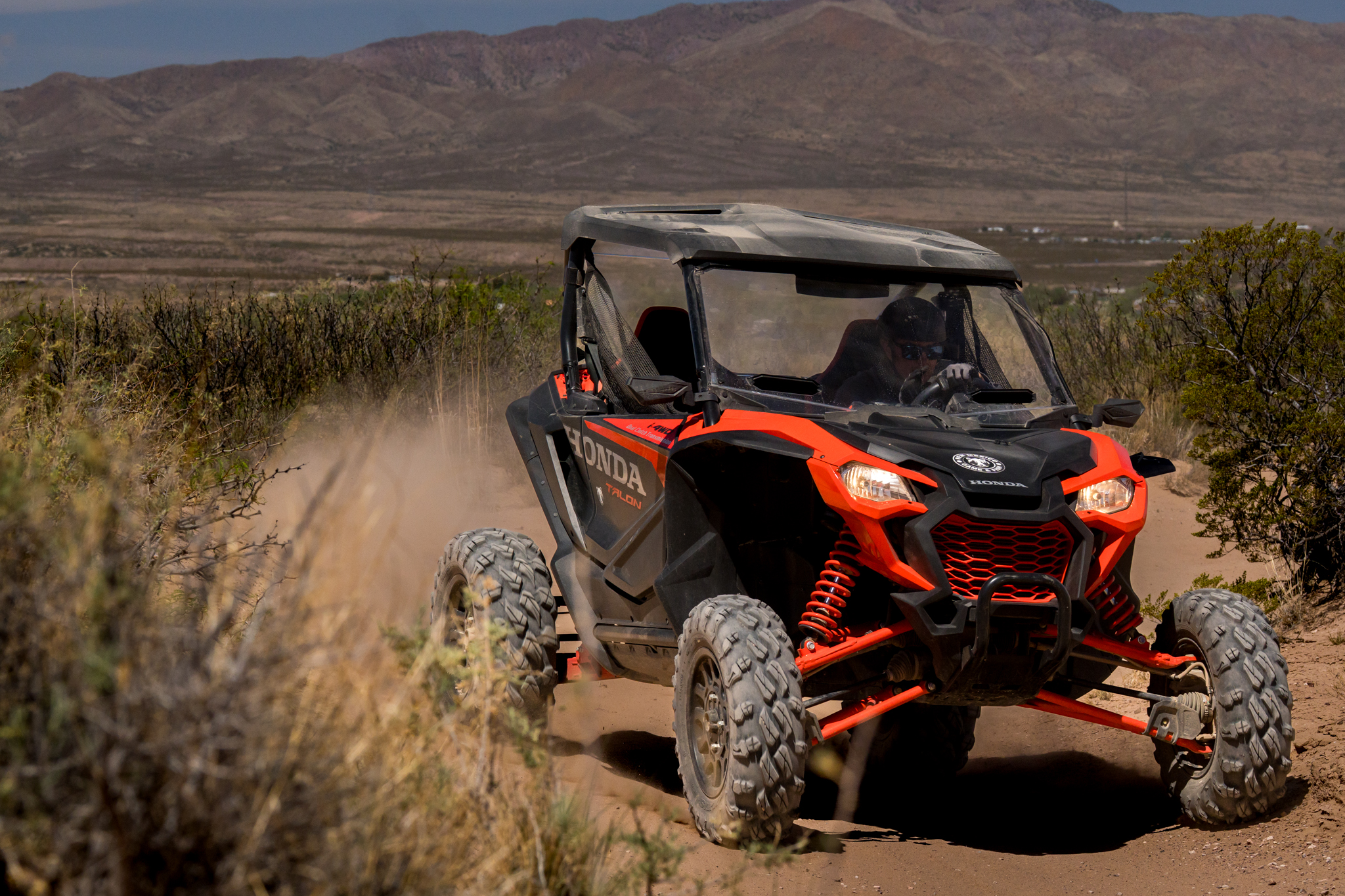
OHVs include vehicles commonly known as side-by-sides, four-wheelers, off-highway motorcycles and snowmobiles. These vehicles provide access to areas that traditional highway vehicles may not be able to reach easily. But did you know that the New Mexico Department of Wildlife is one of several law enforcement agencies responsible for helping ensure OHV users ride safely and responsibly?
The Department’s goal is to help the public recreate safely and responsibly while protecting the resources that make New Mexico special. Across the Southwest, including Colorado, New Mexico, Texas, Arizona and Kansas, agencies have seen an increase in reports of unauthorized OHV activity resulting in habitat damage and resource impacts.

Conservation officers enforce OHV laws, public land regulations and resource protection measures. One common violation is traveling off designated roads and trails. Driving off established routes can significantly damage vegetation, soils, watersheds and wildlife habitat. In some cases, unauthorized travel can impact critical habitat used by elk and other wildlife species that call New Mexico’s forests home.
To address these concerns, officers with the New Mexico Department of Wildlife joined the U.S. Forest Service, New Mexico State Police, Jemez Springs Police Department, Rio Arriba County Sheriff’s Office, Sandoval County Sheriff’s Office and other partners for a large-scale saturation patrol. Conducted over multiple days, these operations focused on public safety, educating visitors about responsible recreation, ensuring compliance with state laws and regulations and protecting sensitive natural resources in some of New Mexico’s most beautiful alpine areas near Jemez Springs and Red River.
“These operations are about much more than writing citations,” said Sgt. Jayme King, of the Department’s Taos Supervisory District. “Our goal is to educate visitors, encourage voluntary compliance and protect these incredible public lands so they can be enjoyed safely and responsibly for generations to come. By promoting responsible riding, we’re also helping ensure these destinations remain attractive to visitors whose spending supports local businesses and rural economies.”
Department officers spoke with numerous visitors, providing information about safe and responsible recreation and taking enforcement action when necessary. By maintaining a visible law enforcement presence, participating agencies worked together to reduce unsafe behavior, discourage resource damage from riding off established routes and help ensure public lands remain accessible and enjoyable for everyone.
“Working with multiple agencies is a big success for the Department, especially when it comes to enforcement and education,” said OHV Law Enforcement Coordinator Tyler Twichell. “These other agencies are great; they believe in the OHV enforcement mission and are willing to work with us.”
These recent collaborative efforts and the coordinated presence promote safe and legal riding while reinforcing that OHV compliance statewide is a priority for New Mexico’s public safety.
Due in part to these collaborations, the Department has also seen an increase in OHV registrations, improved rider education, voluntary compliance with safety requirements and a decrease in resource damage. “These operation efforts show that direct contact with operators through education and partnerships help create a more responsible OHV community,” said Desi Ortiz, the Department’s OHV program manager. “We have observed a reduction in reports of severe or egregious OHV-related impacts.”

Beyond patrols, the Department works to educate riders before problems arise by offering safety training events and community outreach programs throughout the year, helping riders understand the rules before they hit the trail.
For OHV Education Coordinator Kent Irving, those events are among the most rewarding parts of the job because they offer an opportunity to shape the next generation of responsible riders.
“I really enjoy this aspect of our program,” OHV Education Coordinator Kent Irving said. “It allows us to interact with new riders and instill an understanding of responsibility for our public lands. It’s a way to make sure they are not only equipped with the skills to stay safe, but also the ethical baseline to ensure we are not negatively impacting wildlife, natural resources or other users of these spaces.”
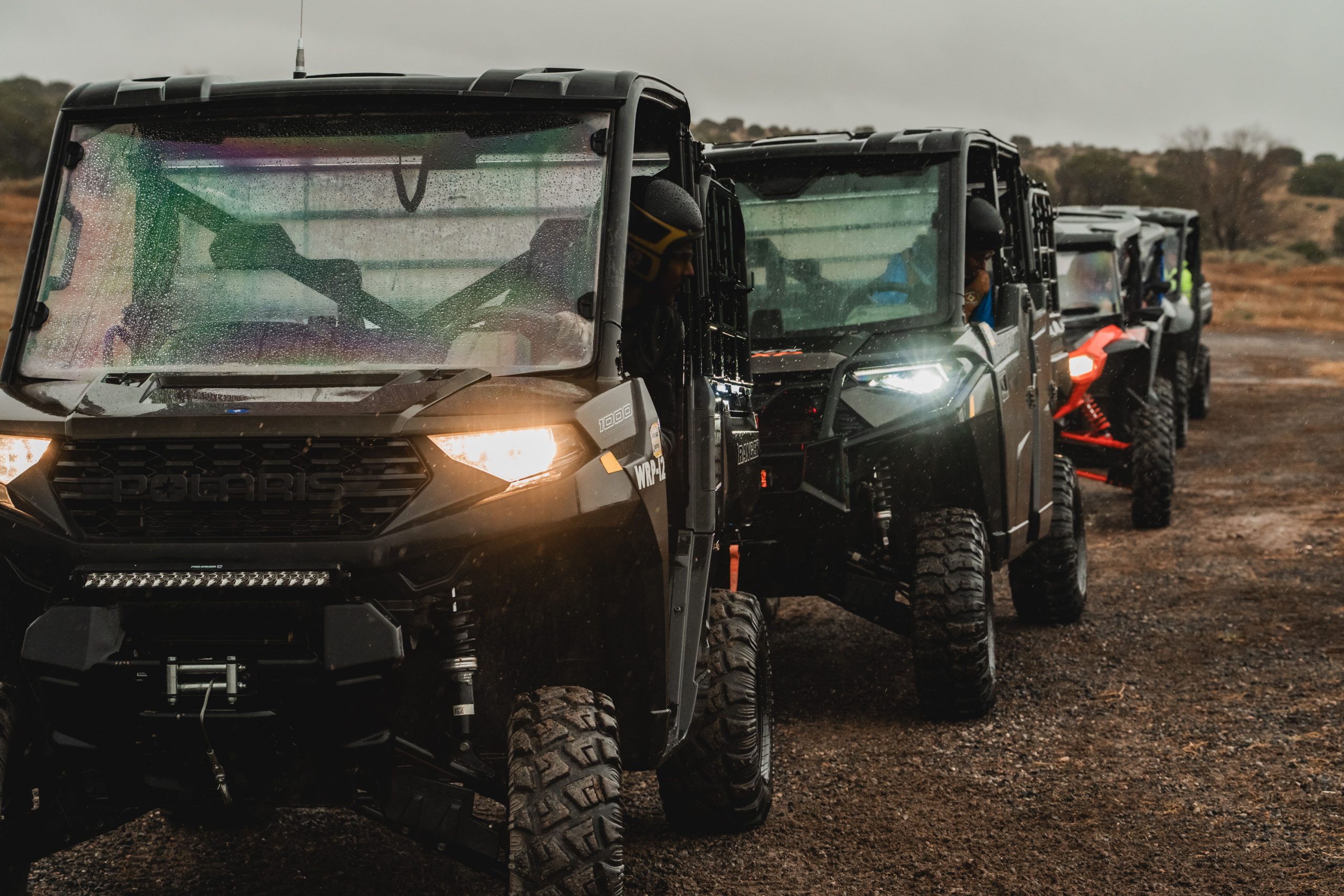
This ethical baseline for shared responsibility of our natural resources can be seen throughout the Department’s safety messages for outdoor recreation.
“OHV recreation is about adventure, exploration and memories,” Ortiz said. “Riding safely and responsibly is easy, and it allows everyone to enjoy New Mexico while protecting the trails and riding areas that make these experiences possible. The goal is simple: have fun, ride smart and help preserve these opportunities for the next generation because together, we do more.”
Riders looking for trail information, riding spots or educational opportunities can find resources beyond the Department’s website and RideNM, including through Bureau of Land Management field offices, U.S. Forest Service ranger districts, state land offices, New Mexico visitor centers, the New Mexico Off-Highway Vehicle Alliance (NMOHVA) and local motorsports dealerships.
Downloadable trail maps are also available through a variety of mobile apps.
Every rider is responsible for knowing New Mexico OHV rules:
• Avoiding sensitive areas near rivers and streams
• Staying on designated trails and roads
• Being respectful of other outdoor recreationists
• Ensuring all OHVs are properly registered
• Making sure youth riders wear DOT or ECE-approved helmets and eye protection
• Preserving wildlife and habitat
For more information about OHV permits, rules and regulations, visit RideNM.dgf.nm.gov.