Be Bear Aware!
There has been an increase in the number of bears involved in human-bear encounters throughout New Mexico in 2026. The increase in such encounters indicate a temporary response to a combination of environmental and habitat conditions. You can help prevent these occurrences and keep people and bears safe by following some simple precautions, being aware of your surroundings and knowing what to do if you find yourself encountering a bear. Watch our informational video featuring Nick Forman, carnivore and small mammal program manager and biologist, to learn more.
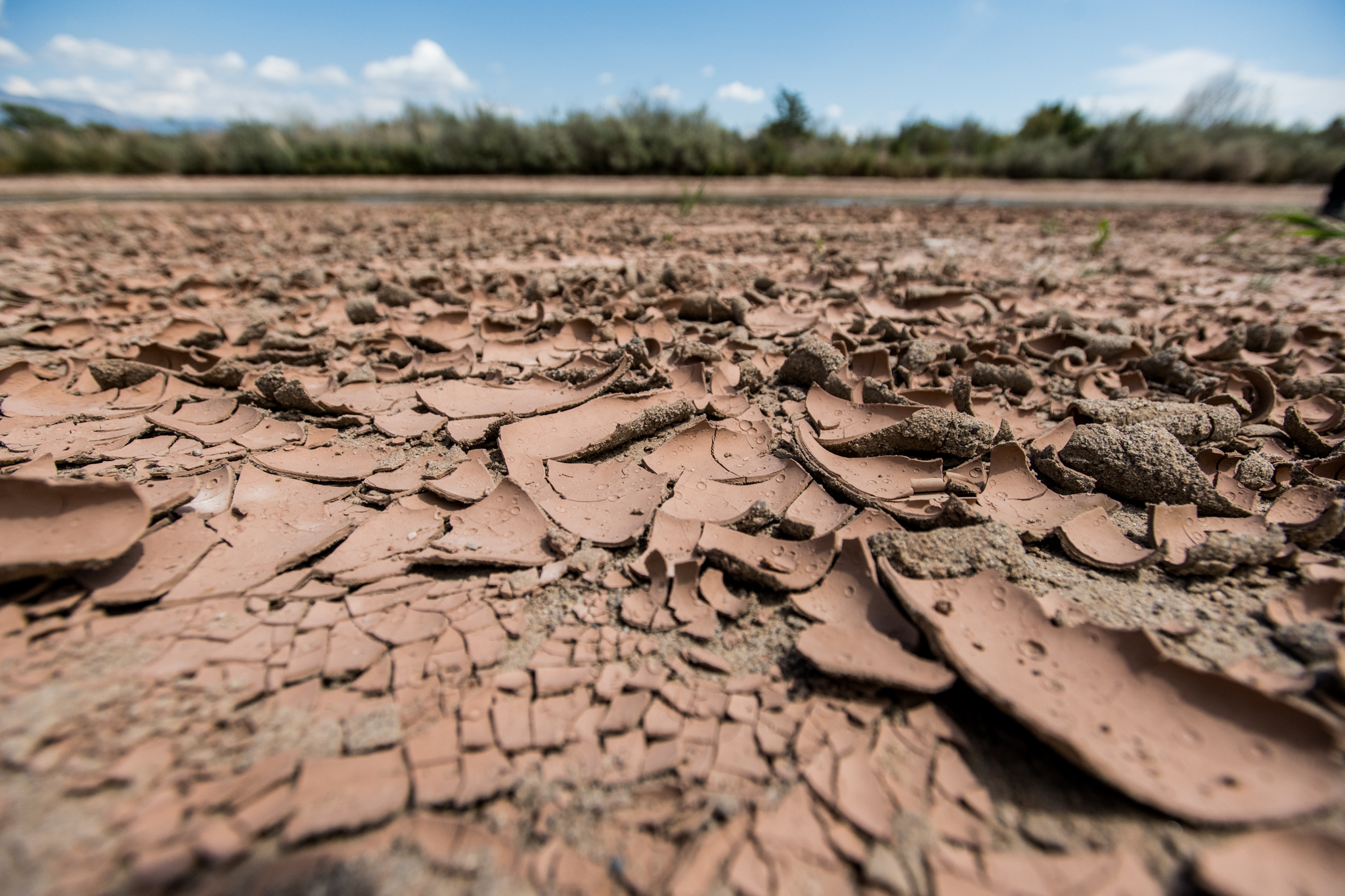
Why are bear encounters on the rise?
Low moisture and high temperatures have impacted various mast crops such as nuts, seeds, berries and fruits that bears rely on to survive in their natural habitat. As a result, bears are forced to stray from their habitat to find food. This leads them into populated areas, where potential food and water sources are more plentiful.
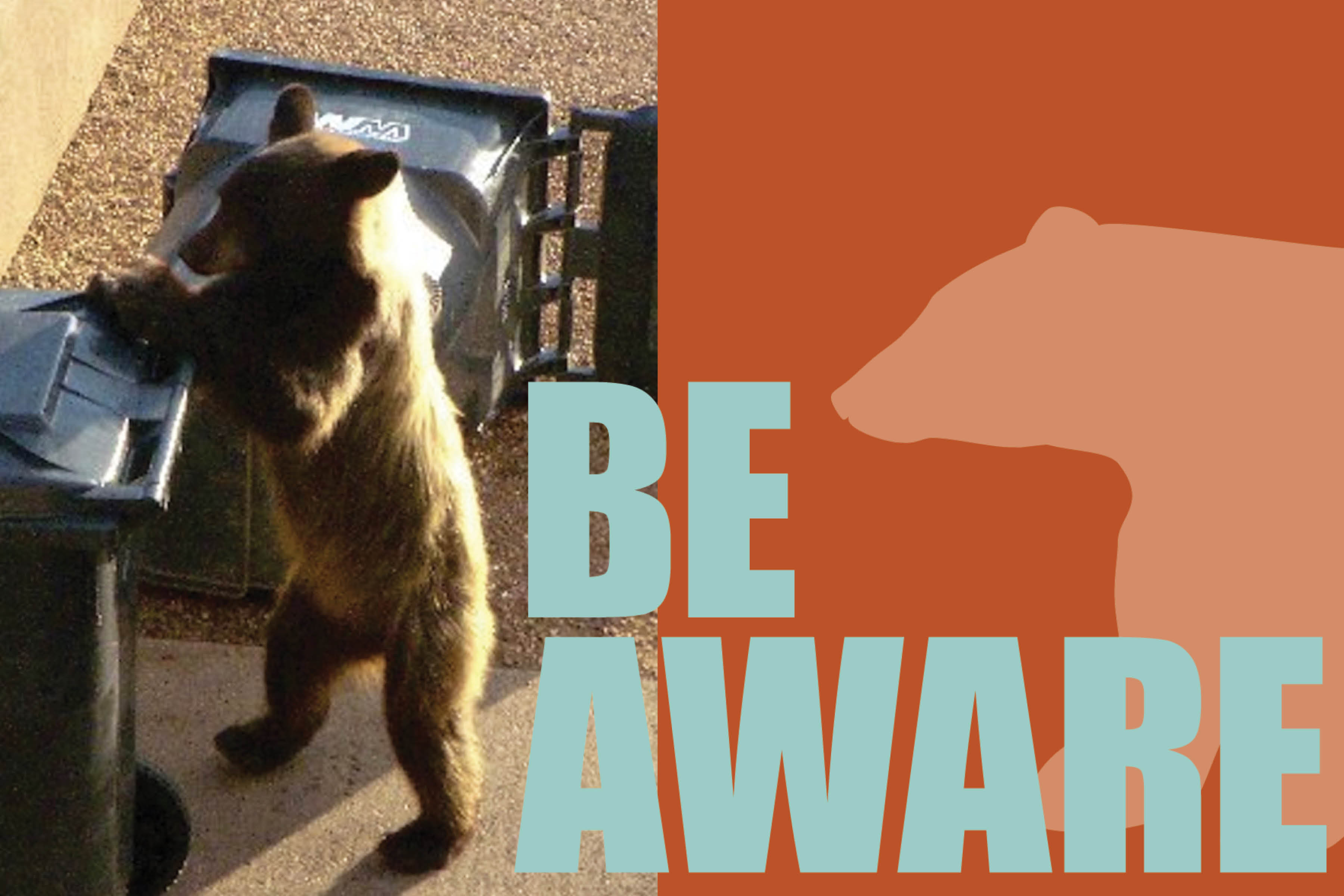
In the past month, the Department has captured several bears in the Albuquerque and Santa Fe area that have become habituated to finding food and water in populated areas. A fed bear is a dead bear. Whether intentional or unintentional, providing food and water sources for bears creates a dangerous situation for both people and wildlife. Once a bear learns it can find food in a populated area, it is more likely to return to or remain in the area; rather than moving on to natural food sources. That can ultimately reduce the success rate of relocation efforts and may result in the bear being euthanized.
How do I prevent a bear encounter?
The best way to prevent an encounter with a bear is to eliminate attractants from your yard or campsite and take proper precautions when recreating outdoors. Some helpful tips to keep yourself safe (and keep bears wild) include:
- Secure food, scented items and garbage to avoid attracting bears.
- Remove fallen fruit, pet food and bird feeders from areas accessible to bears.
- Hike in groups and make noise so you don’t catch a bear by surprise.
- Keep children close and keep pets leashed when outdoors.
- Never feed or intentionally approach a bear.
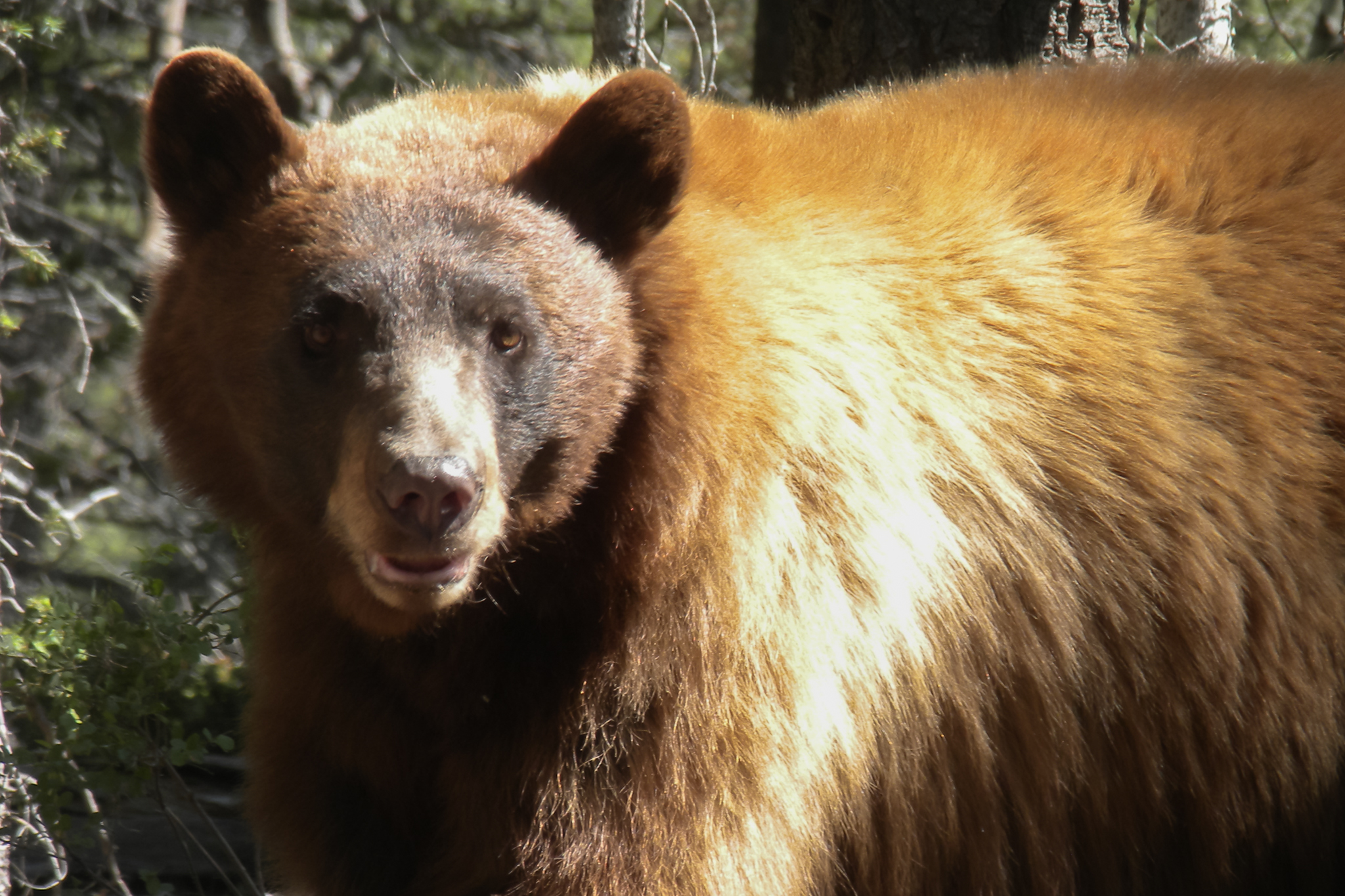
What if I encounter a bear?
If you encounter a bear, remain calm and do not run. Give the bear plenty of room to move away and slowly back away while facing the bear.
- Make yourself look large and speak in a calm but loud voice.
- Give the bear an escape route. Never corner or approach it.
- Never get between a mother bear and her cubs.
- If a black bear attacks, fight back aggressively using anything you can find.
Remember, most bears want to avoid people. Giving them space and allowing them to move away can help prevent an encounter from becoming an attack.
Who to contact if I encounter a bear?
In the event of a dangerous encounter, please reach out to your nearest Department conservation officer during regular business hours (Monday-Friday, 8 a.m.-5 p.m.). An interactive map with contact information for all officers statewide is available on the Department’s website. Outside of regular business hours, please contact New Mexico State Police Dispatch, whose contact information for each area of the state is also available on the interactive map.
New Mexico Department of Wildlife Enforcement Contacts Map
https://wildlife.dgf.nm.gov/enforcement/law-enforcement-contact-information/
State Police Dispatch
https://sharenm.org/new-mexico-state-police/new-mexico-state-police-dispatch
Additional information about Bear Awareness
https://wildlife.dgf.nm.gov/download/keeping-bears-alive-and-yourself-safe/