By Melissa Garnett
Southeast Area Public Information Specialist
Simply stated, wildlife belongs to all of us.
That is the fundamental principle of the North American Model of Wildlife Conservation, which has guided wildlife management decisions throughout the United States for more than a century.
Wildlife is a public resource and does not belong to any one individual. With that in mind, populations are managed for the benefit of both current and future generations, with laws, science and sustainable use serving as the primary drivers of these decisions.
The North American Model has seven basic tenets that support the idea that wildlife is a public trust, a wealth of resources for all Americans and that wildlife species need to be managed in a way that their populations will be sustained forever. These seven tenets are:
- Wildlife resources are conserved and held in trust for all citizens: Natural resources and wildlife on public lands are managed by government agencies to ensure that current and future generations always have wildlife and wild places to enjoy. The New Mexico Department of Wildlife’s mission is to “conserve, regulate, propagate and protect the wildlife and fish within the state of New Mexico using a flexible management system that ensures sustainable use for public food supply, recreation and safety; and to provide for off-highway motor vehicle recreation that recognizes cultural, historic and resource values while ensuring public safety.”
- Commerce in dead wildlife is eliminated: Commercial hunting and the sale of wildlife is prohibited to ensure the sustainability of wildlife populations. The Lacey Act prohibits trade in wildlife, fish and plants that have been illegally taken, possessed, transported or sold.
- Wildlife is allocated according to democratic rule of law: Laws and regulations developed by the people and enforced by state and federal agencies will guide the proper use of wildlife resources. These rules are developed for the long-term success of wildlife populations. Biologists offer their field expertise to make recommendations on how to best conserve our wildlife. Regulations are put in place to protect wildlife and conservation officers enforce these laws.
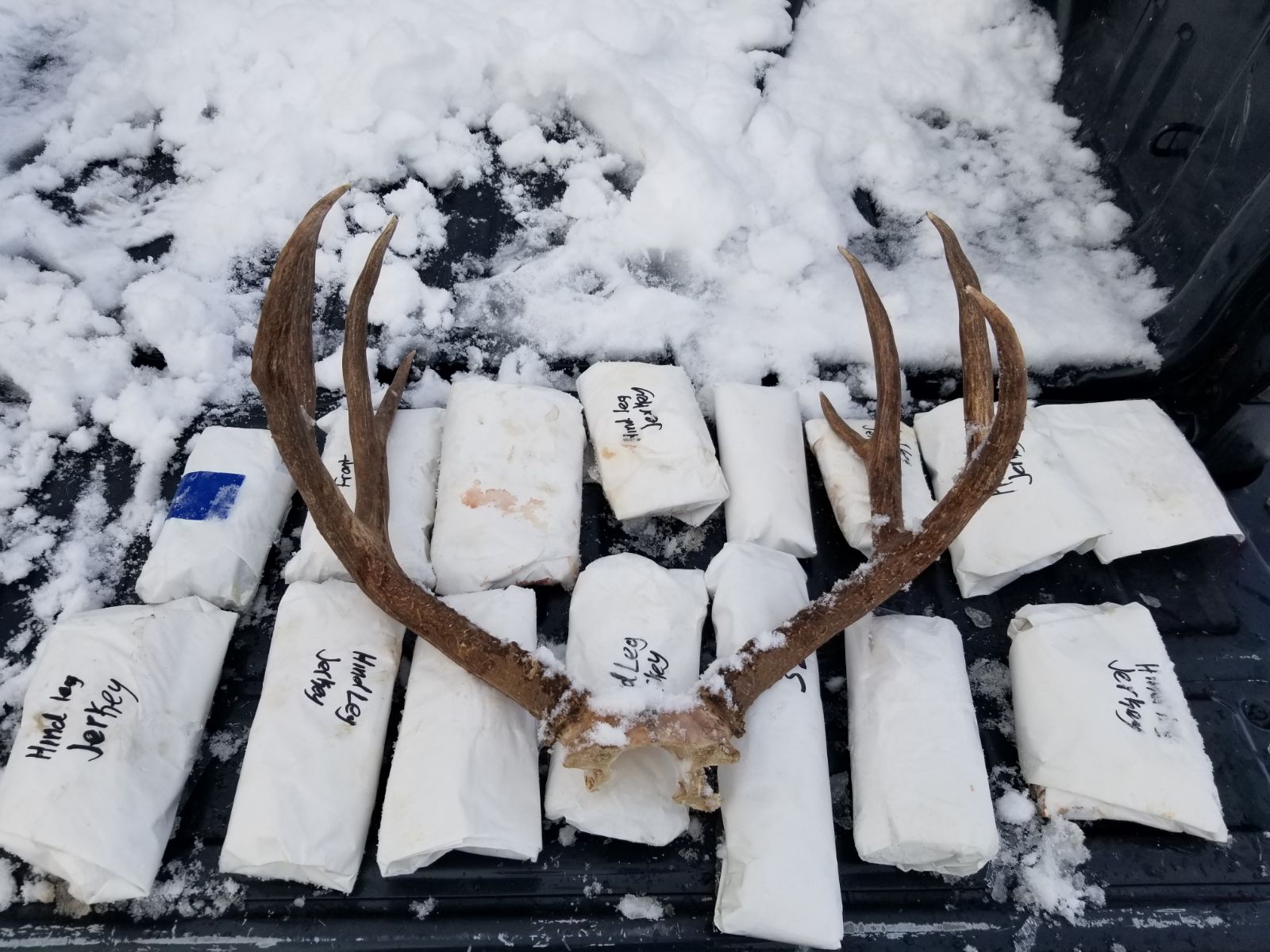
- Wildlife may only be killed for a legitimate, non-frivolous purpose: Individuals may legally kill certain wild animals under strict guidelines for food and fur, self-defense and property protection. Laws prohibit the casual killing of wildlife merely for antlers, horns or feathers or the wanton waste of game meat. Wanton waste is a felony in New Mexico.
- Wildlife is an international resource: Because wildlife and fish freely migrate across boundaries between states, provinces and countries, they are considered an international resource. A great example of this in New Mexico is our migratory bird populations. The regulations for ducks, geese and cranes come out mid-summer because these species are federally regulated.
- Every person has an equal opportunity under the law to participate in hunting and fishing: Every citizen has an opportunity, under the law, to hunt and fish in the United States and Canada. This differs from many other countries. There is equal opportunity under the big game draw for every New Mexican to hunt, and there are lots of over-the-counter hunting opportunities available to everyone.
- Scientific management is the proper means for wildlife conservation: The best science available will be used as a base for informed decision-making in wildlife management. The is where the “flexible management system” in the Department’s mission statement comes in. As technology and best available scientific methods improve, so, too, does the knowledge of wildlife. The more the Department understands about population dynamics, migratory patterns and life history the better it can manage these species as a whole.
Together, these tenets provide the framework for how the Department and other federal, state and provincial agencies conserve and manage wildlife. They also explain why it is important to follow wildlife laws.
Everyone has a role to play in protecting wildlife, and that includes hunters. The Department sets season dates, bag limits and other regulations with sustainable, healthy wildlife populations and habitats as its goal. Legal hunting helps maintain these populations, reduce pressure on limited habitat, reduce disease risk and help prevent human-wildlife conflicts.
Poaching, however, is detrimental to those efforts. Illegally taken wildlife is not accounted for in bag limits that are intended to manage the population, undermining conservation efforts and taking away a resource that belongs to all New Mexicans. Poaching can be difficult to detect, as well. These crimes often happen in remote areas. However, the public can play a critical part in bringing those who commit these crimes to justice. One of the simplest ways you can help is by reporting suspected wildlife violations through the New Mexico Department of Wildlife's Operation Game Thief program.
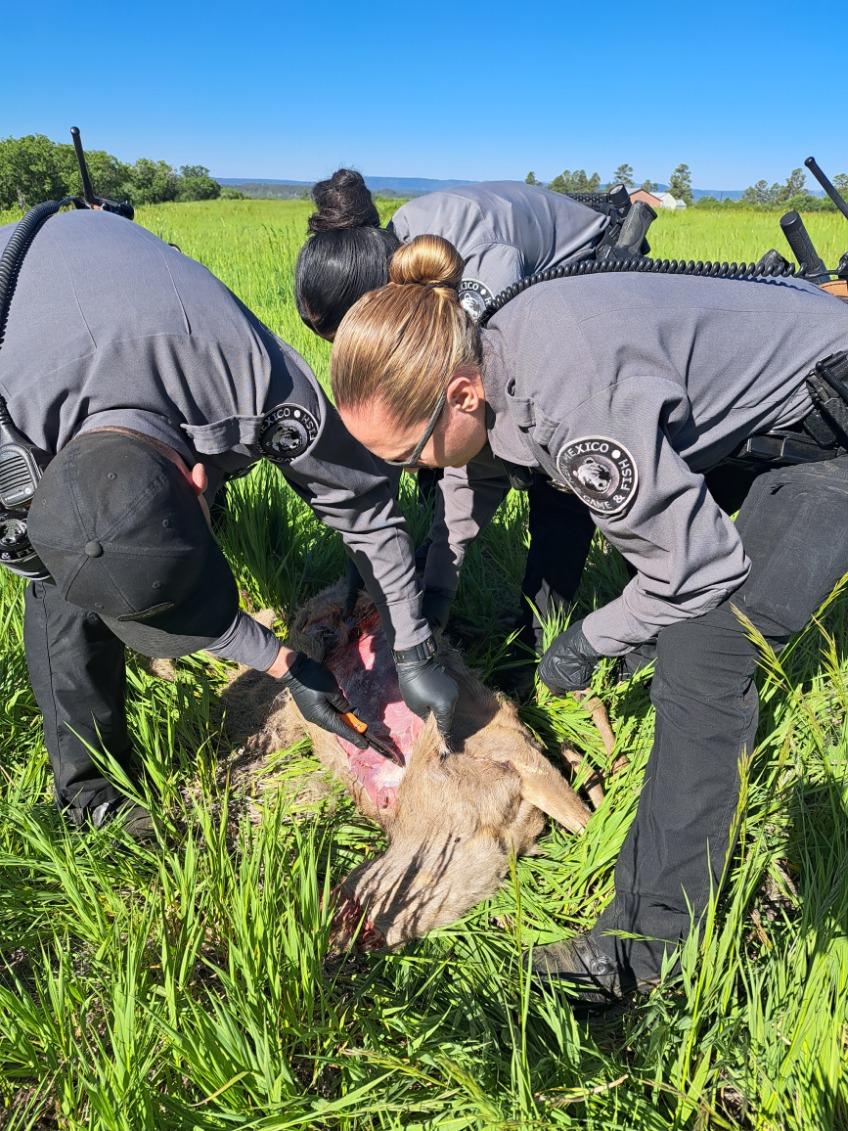
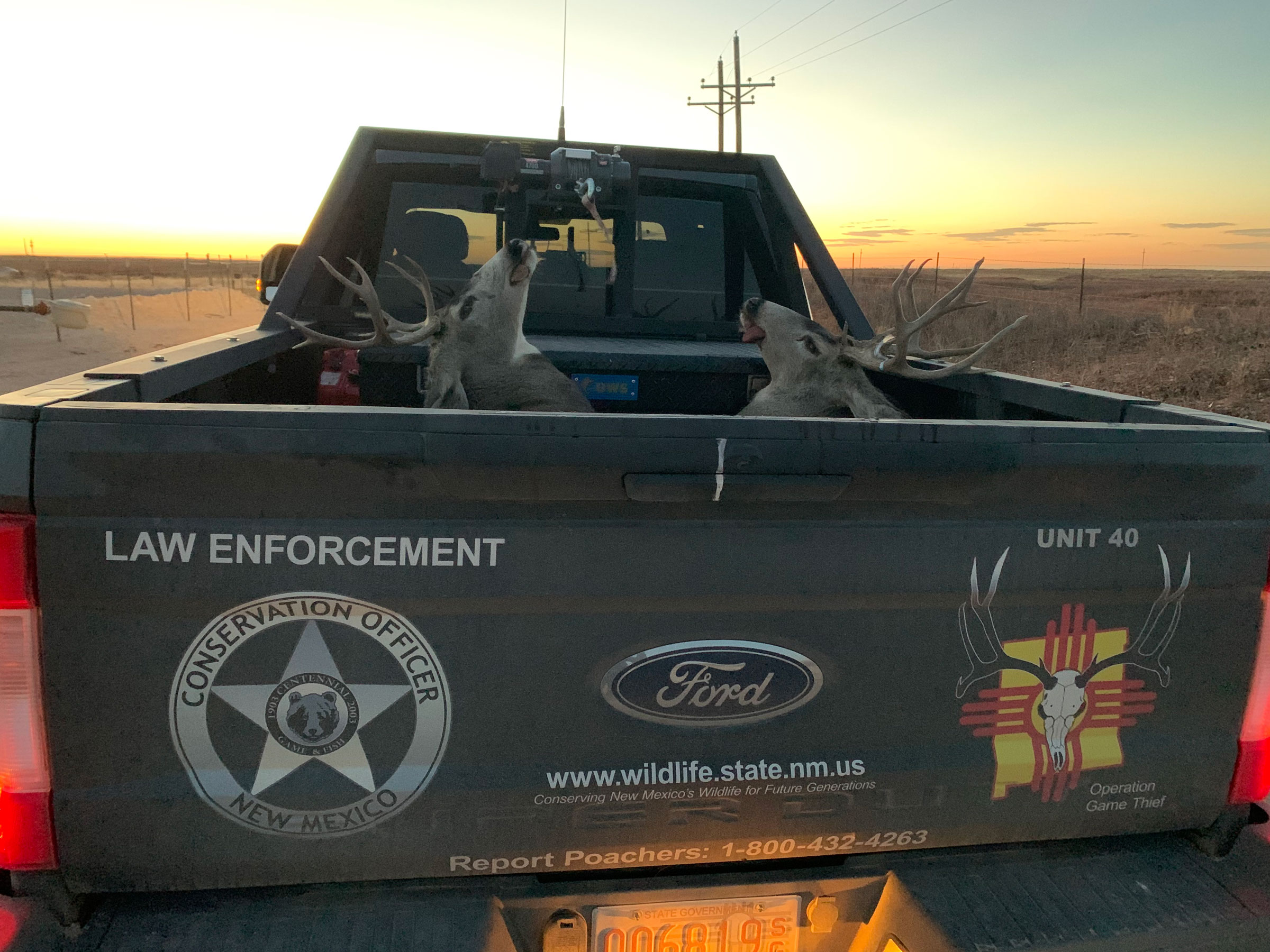
Operation Game Thief, or OGT, Operation Game Thief (OGT) is a New Mexico–born program that quickly set the standard for wildlife agencies across the United States. Established in 1977, New Mexico's OGT program was the first of its kind, modeled after the Albuquerque Police Department's Crime Stoppers initiative. Designed as a silent‑witness system, it provides the public with a safe and anonymous way to report suspected wildlife crimes, helping protect the state's natural resources through community involvement
"OGT was specifically built to give the public a safe, easy way to report what they see," said Jeremy Smith, field operations captain for the Department. "And we back it up. When a tip leads to charges being filed on a wildlife violation, we pay. Rewards can be up to $1,000 depending on the species involved. That's real money for doing the right thing. Poachers think no one's watching, but Operation Game Thief exists to prove them wrong."
This concept quickly caught on and wildlife agencies in nearly every other state have established programs similar to OGT, giving citizens a way to directly help conservation officers investigate a variety of wildlife crimes.
Nearly 50 years later, the OGT program remains an important tool for the Department. If you witness someone illegally taking, possessing or trafficking wildlife you can submit an anonymous tip online or call the OGT hotline. If your report leads to an arrest, you may be eligible for a cash reward. A recent study by the Boone and Crockett club examined the impacts of wildlife poaching and found some sobering statistics. Poaching is a cryptic crime, and the study estimated that only 4% of poaching cases in the U.S. are detected. According to the study, undetected poaching costs $1.3 billion in animal replacement nationwide and $302.6 million in fines. The average conservation cost associated with the illegal take of big game exceeds the total 2023 gross revenues from hunting license sales in 39 states.
Imagine the good things that could be done for wildlife if more poaching was detected. That's where the OGT program comes in. Reports of concerned citizens in the field could be the great equalizer for under-detected wildlife crime. The Department received 148 tips from the public last year. Several cases that came from those tips remain under investigation.
Rewards for reporting wildlife violations
Operation Game Thief is funded through donations from individuals and organizations, not through taxes or hunting and fishing license fees.
Minimum rewards include:
$750 for cases involving elk and bighorn sheep;
$500 for deer and oryx;
$350 for pronghorn;
$250 for turkey, bear, cougar, javelina, ibex, barbary sheep, endangered species, small game, fish, raptors and furbearers.
The reward amount depends on the species involved, as well as the circumstances of the case.
How you can help
Wildlife conservation depends on more than biologists and conservation officers. If the public speaks up when they see something that doesn't look right, they can play a critical role in conserving New Mexico's wildlife for future generations.
To make an OGT report, visit the Department's online OGT Report Form and fill out an anonymous form or call 1-800-432-4263.
To learn more about legal, ethical hunting before hunting season this fall, visit the Department's Conservation Enforcement webpage.