 |
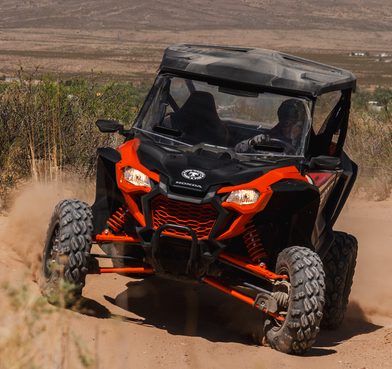
SANTA FE — Whether you’re heading into the field for the beginning of the big-game hunting season or enjoying New Mexico’s outdoors this Labor Day weekend, the New Mexico Department of Wildlife reminds off-highway vehicle riders to know the rules, ride safely and respect wildlife and other recreationists.
With more people heading into the field this weekend, off-highway vehicle (OHV) users are encouraged to plan ahead and ensure they know and follow the rules and regulations. These requirements protect the environment, riders, wildlife, livestock and other people enjoying New Mexico’s public lands. |
It is illegal to operate an off-highway vehicle (OHV) on public lands:
- Under the influence of alcohol and drugs.
- Recklessly, carelessly or negligently endangering people or property.
- To chase or harass wildlife or domestic animals.
- To harm livestock or interfere with agriculture.
- After dark without a headlight and taillight.
- That makes noise exceeding 96 db that lacks a spark arrester or is not registered.
- Where prohibited by local, state or federal law.
- On paved roads, unless authorized by a local ordinance or resolution, with a New Mexico Paved Road Permit ($7) or out-of-state street registration plate or decal.
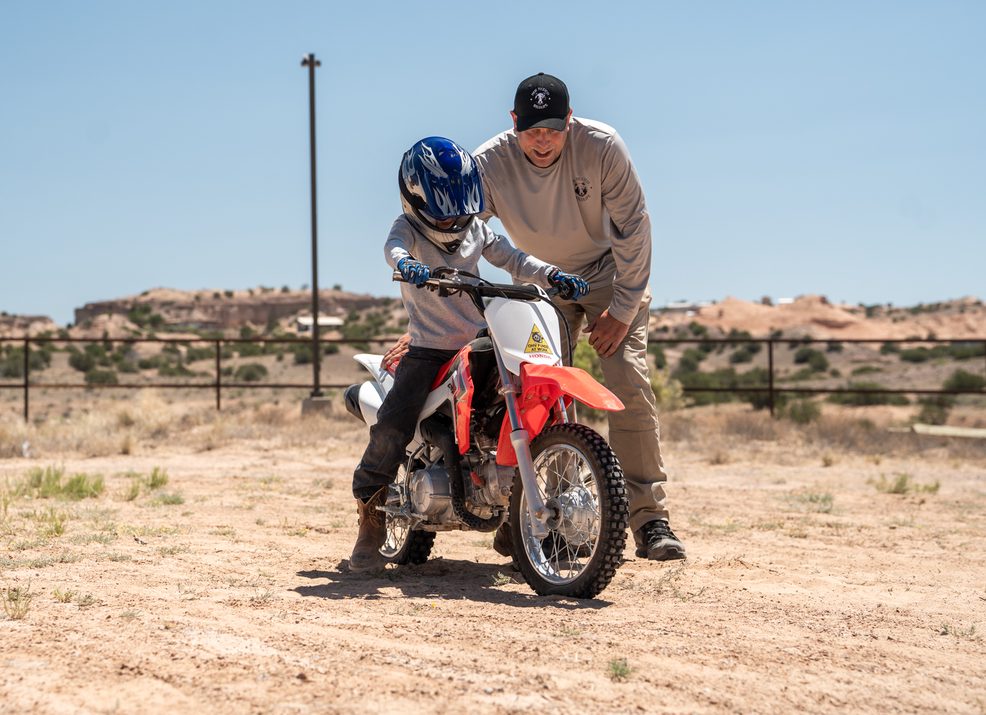
Safety Requirements for Operators and/or Passengers Under 18
Operators under 18 must:
- Take a certified OHV course and carry proof of completion (a “safety permit”) while operating an OHV.
- Wear a securely fastened DOT- or ECE-approved helmet.\
- Wear approved protective eyewear (goggles, safety glasses or helmet with a face shield).
- Never carry a passenger, even on OHVs designed for more than one person.
Be visually supervised when operating an OHV, unless:
- Age 13 and above with a valid motorcycle license.
- Age 15 and above with a valid driver’s license.
Children under 6 may not operate an ATV or ROV on public lands.
Passengers must:
- Wear a securely fastened DOT- or ECE-approved helmet.
- Wear approved protective eyewear (goggles, safety glasses or helmet with a face shield).
Whether you are using an OHV or not, don’t forget to provide a plan to your family and friends. In the event of an emergency, this important plan communicates the following information to first responders:
- Where you will be hunting or recreating, including alternate areas.
- When you plan to return.
- Vehicle description.
- Who you are hunting or recreating with.
- Contact information and cell carrier.
Friendly reminder
The Department offers free hands-on ATV and dirt-bike classes that provide the OHV Safety Permit required for public-land or paved-road operation. ATVs and dirt bikes are available for students lacking access to appropriately sized machines. These machines are reserved on a first-come, first-served basis during course pre-registration.
Online classes are also available that provide the required safety permit after completion. Contact the New Mexico Department of Wildlife OHV Program to learn about other options.
For more information about New Mexico OHV education resources and regulations, visit ridenm.dgf.nm.gov.