Bumble Bee Watch/Rebecca Husted
By Colleen Payne
Southwest Area Public Information Specialist
New Mexico delivers some of the most anticipated, photographed and relaxing colorful landscapes in the West. But what would that landscape look like without blooming flowers, fruit growing on the trees or green chile in the fields?
Pollinating insects such as bees, butterflies, moths and flies play a critical role in the life cycle of native plants and agricultural crops such as fruit and alfalfa. Without these essential pollinators, many plants cannot complete critical stages of their life cycles. Pollinators carry pollen from one flower to another, enabling seed and fruit production, which is vital for plant reproduction and provides vital food sources for both wildlife and people.
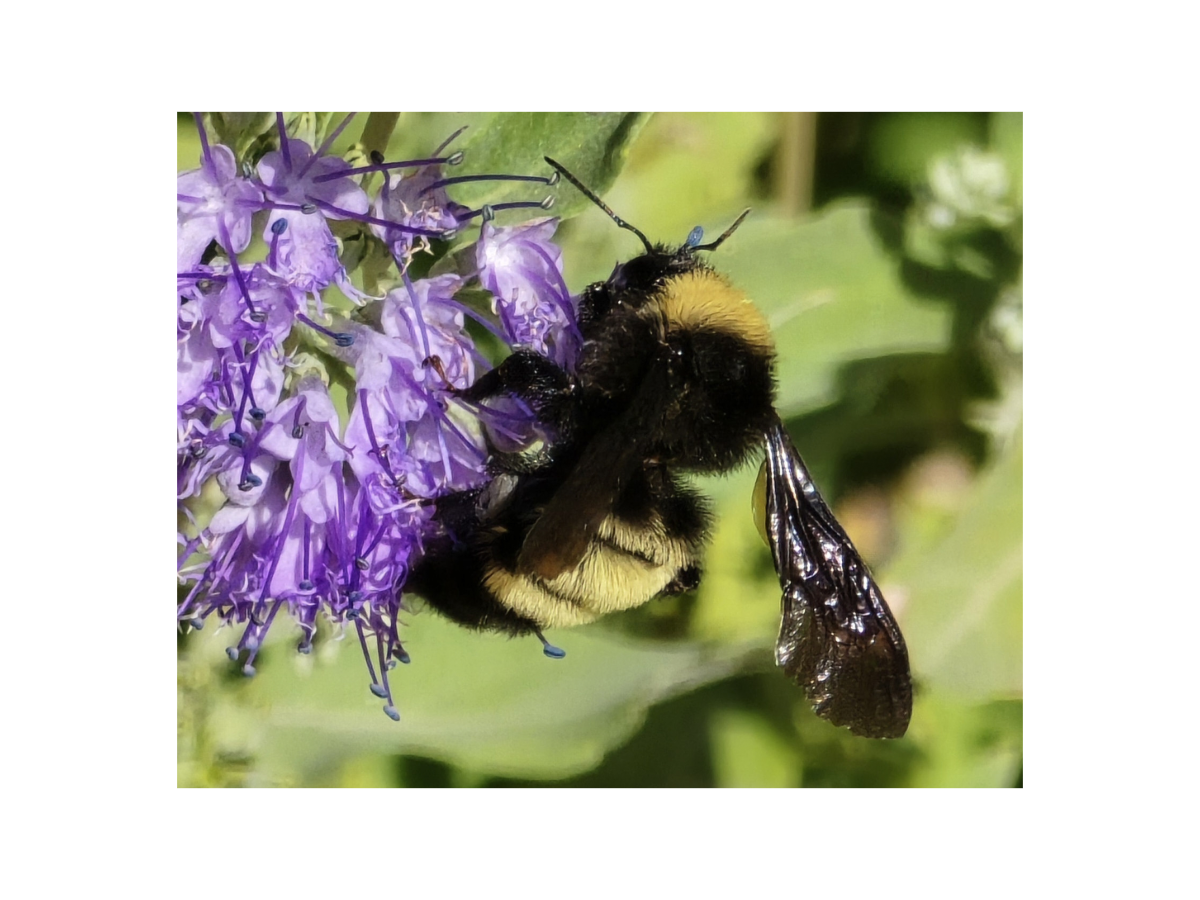
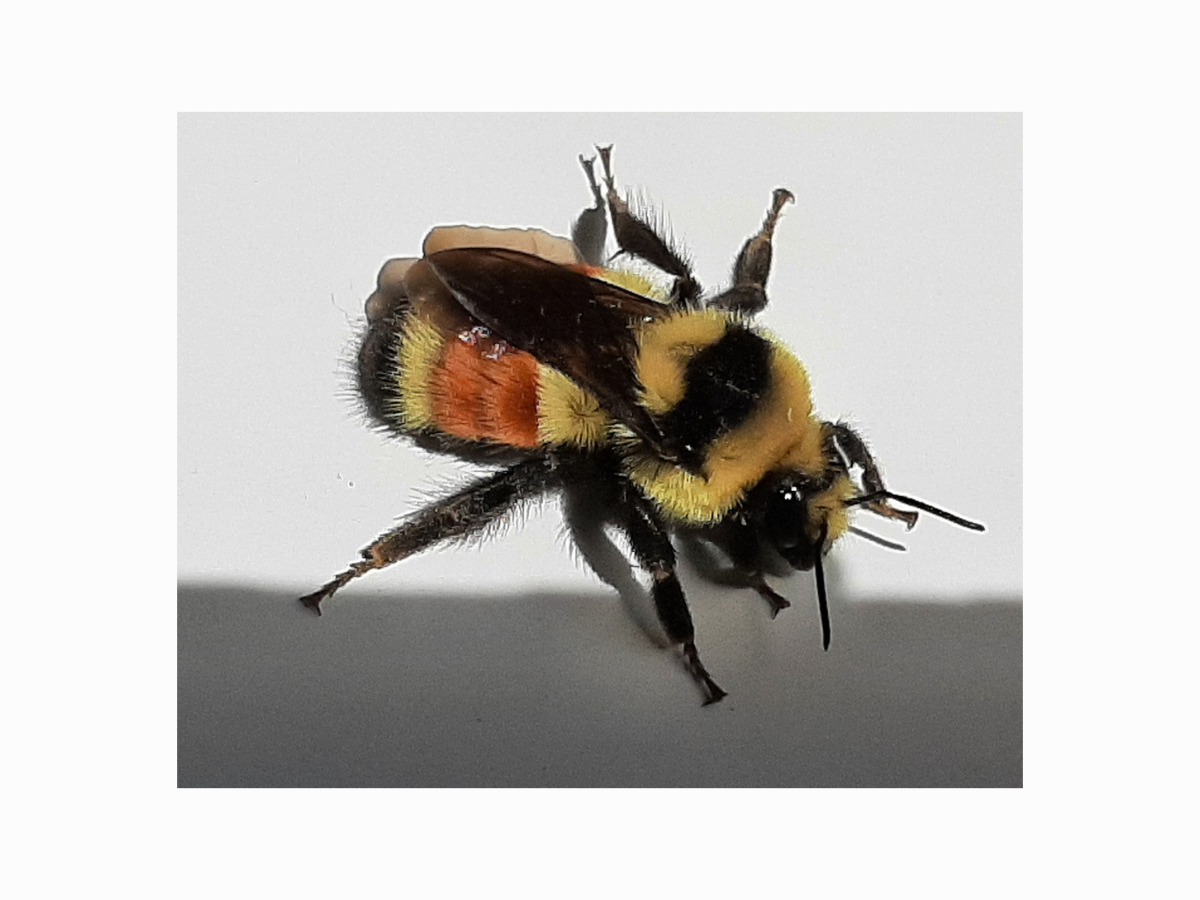
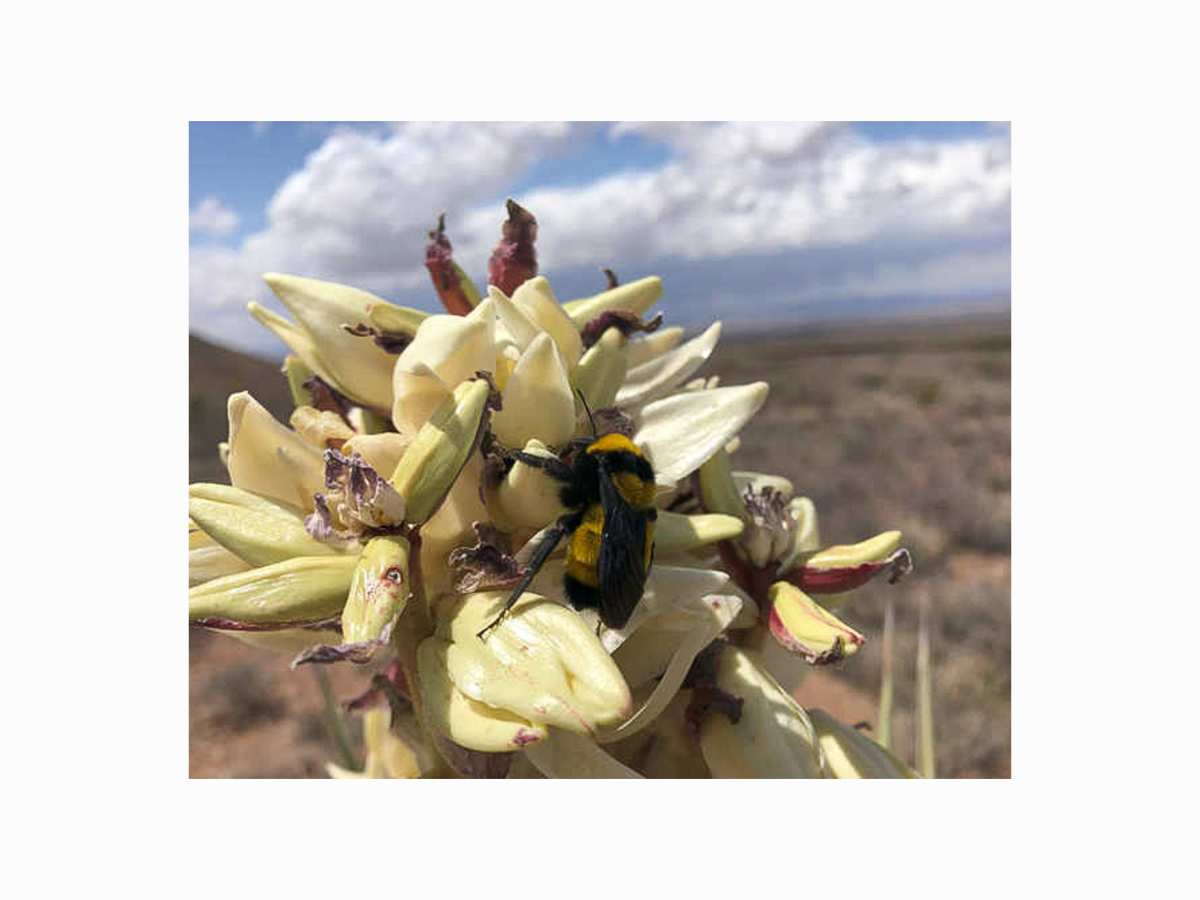
New Mexico is home to hundreds of insect pollinators. Among them, bumble bees stand out as a notable group, yet they remain poorly understood, especially in terms of their distribution, food sources, life cycles and overall influence on the state’s ecosystems. At least 22 bumble bee species have been documented in the Land of Enchantment. Across the country, pollinator populations are declining, making it all the more important to learn where these species live, feed, and nest, and how they impact other species in their habitats.
Bumble Bee Watch/James Osborn
The Department of Wildlife recently completed the review and revision of New Mexico’s State Wildlife Action Plan (SWAP). In the 2025 update, the Department added 94 pollinating insects as Species of Greatest Conservation Need (SGCN), recognizing the critical ecological services these species provide and aligning the plan with recent legislative changes, that as of July 1, 2026, grant the Department authority to protect insects.
New Mexico selects SGCN species using strict criteria established in the SWAP. To qualify, native wildlife must rely on the state for a substantial portion of their range and face significant vulnerabilities.
This list of SGCN was a collaborative effort that involved the expertise of entomologists at the University of New Mexico’s Museum of Southwestern Biology (MSB), the New Mexico BioPark Society, the University of New Mexico Museum of Southwestern Biology (MSB), the New Mexico BioPark Society, Xerces Society for Invertebrate Conservation and many other entities, including universities, state agencies and private individuals.
The Department has been steadily building its capacity to support SGCN work by hiring eight new staff members specializing in amphibians, birds and fish. These new experts also bolster the efforts of existing personnel who have been engaged in SGCN work since before the formation of SWAP, then called the Comprehensive Wildlife Conservation Strategy, which was approved in 2006.
Bumble Bee Watch/John Norton
One important way the public can help advance this work, especially for bumble bee research, is to simply volunteer for the New Mexico Bumble Bee Atlas (NMBBA)! The NMBBA is a Xerces Society-led community science project in which volunteers are trained to conduct catch-photograph-release surveys throughout the summer (June to August) and upload data to BumblebeeWatch.org. Xerces Society experts will identify bumble bees from uploaded photos and compile the habitat and floral host data collected by volunteers during surveys.
“The Bumblebee Atlas training does a great job preparing volunteers to safely collect and photograph bumblebees. This is literally a project you can do in your backyard or at your local park, making it a great way for everyone to get involved,” said Curt Coffman, assistant chief of education for the Department of Wildlife.
This information is shared with local, state and federal land managers to assist in prioritizing on-the-ground conservation action. NMBBA volunteers may use online resources to complete the required training and in-person training events were also offered in May. By building a strong network of NMBBA volunteers, the Department will be able to gather data quickly, providing information that helps guide conservation actions for these important pollinators.
“Given the scarcity of data on many of the insects in New Mexico, including bumble bees and the great success of Bumble Bee Atlas Projects in other states, public engagement in the NMBBA is essential to the Department getting updated information on bumble bee presence and distribution in the state,” said Dr. Ginny Seamster, assistant chief for technical guidance for the Department’s Wildlife Management Division.
The Department will be able to update both the public-facing Biota Information System of New Mexico (BISON-M; bison-m.org) and, for SGCN, the New Mexico Environmental Review Tool (nmert.org) with information gathered by community scientists participating in the Atlas program. These tools are free and available to the public to research species-specific information and learn about thousands of mammals, insects, birds, reptiles, fish, amphibians and invertebrates that call New Mexico home.
Perhaps you will get lucky and spot the Morrison bumble bee feeding in a vibrant lupine meadow or the rarer western bumble bee in northwestern New Mexico. There are over 20 species to identify and document, so the Department challenges New Mexicans to see how many they can share with the Atlas.
If you’re unable to participate in surveys in person, there are still meaningful ways to support this work. You can contribute by purchasing a wildlife-themed, state-registered license plate through the New Mexico Motor Vehicle Division or by making a financial donation through your online licensing system account.
The Department is excited about the new opportunities created by adding insects to the 2025 SWAP SGCN list and by its expanded authority to protect insect species as needed. Organizations already working on insect conservation in New Mexico are encouraged to collaborate with the SWAP core team and engage with Department staff as new plans and activities arise. Consideration of insects in Department-led habitat projects, technical guidance and other efforts will continue to grow as the Department increases its knowledge and expands its base and internal capacity to work with insect species.
To volunteer, visit the 2026 Bumble Bee Atlas project website for details and training resources. For more information about the SWAP and SGCN and how you can support these programs, visit the Department’s website.